Common Heating Mistakes UAE Businesses Should Avoid This Winter
Winter operations in the UAE
Common heating mistakes businesses should avoid during winter
Dubai winters are mild compared with most of the world, but temperatures on outdoor terraces, in warehouses, and in high-ceiling event halls can still drop enough to make employees, customers, and guests uncomfortable. Between December and February, demand for temporary heaters climbs sharply across the Emirates, and many businesses rush to rent equipment without thinking through how it will actually be used. The result is wasted money, uneven warmth, and safety risks that a little planning would have avoided.
Why heating matters for UAE businesses in winter
Even a five- or ten-degree dip feels significant when guests are seated outdoors at a restaurant in Jumeirah, when warehouse staff are moving stock in an unheated bay in Al Quoz, or when visitors are queueing at an outdoor stand during a Dubai World Trade Centre event. That is why so many operators rent heaters seasonally instead of investing in permanent systems they would only use a few weeks a year. A comfortable temperature is not a luxury for a business, it directly supports:
- Employee productivitybecause cold hands and cold feet slow people down
- Customer satisfactionbecause guests notice discomfort long before they notice décor
- Longer customer visitswhich lifts food and beverage spend on terraces and in outdoor retail
- Event successbecause attendees stay through the programme instead of leaving early
- Health and safety complianceparticularly in logistics and industrial spaces
Getting heating right starts with getting the mistakes out of the way. The list below covers the ones we see most often across hospitality, retail, events, and industrial sites in the UAE.
Mistake 1: Sizing the heater to the room instead of the conditions
The single most common error is picking a heater based on floor area alone. Two spaces of identical square metres can need very different heat output depending on ceiling height, whether the area is indoor or outdoor, how many people will be in it, and how much fresh air is moving through. A 200 sqm covered terrace with open sides in Downtown Dubai loses heat constantly to the outside air, so it needs far more capacity than a 200 sqm enclosed showroom.
Before you request a quote, work through the five variables that any competent supplier will ask about anyway: floor area, ceiling height, indoor or outdoor environment, expected number of occupants, and level of ventilation. Skipping this step is how businesses end up with a heater that runs at full tilt all evening and still leaves guests reaching for their jackets.
Mistake 2: Waiting until the cold snap arrives to book
Rental demand across the UAE spikes as soon as evening temperatures drop, usually from mid-November onward. Restaurants opening their terraces, event organisers preparing outdoor activations at venues like Expo City or DIFC, and construction sites planning night shifts all reach for the same pool of equipment. Providers of professional heating and cooling solutions in the UAE report their winter fleet booking out weeks in advance, and last-minute callers are often left with whatever units are still available rather than the right ones for the job.
Booking early does two things. You get to choose the exact heater type, whether that is a radiant patio heater, a diesel indirect-fired unit for a warehouse, or electric fan heaters for a temporary office. And you lock in delivery windows that fit your operational calendar instead of your supplier’s.
Mistake 3: Placing heaters where they cannot do their job
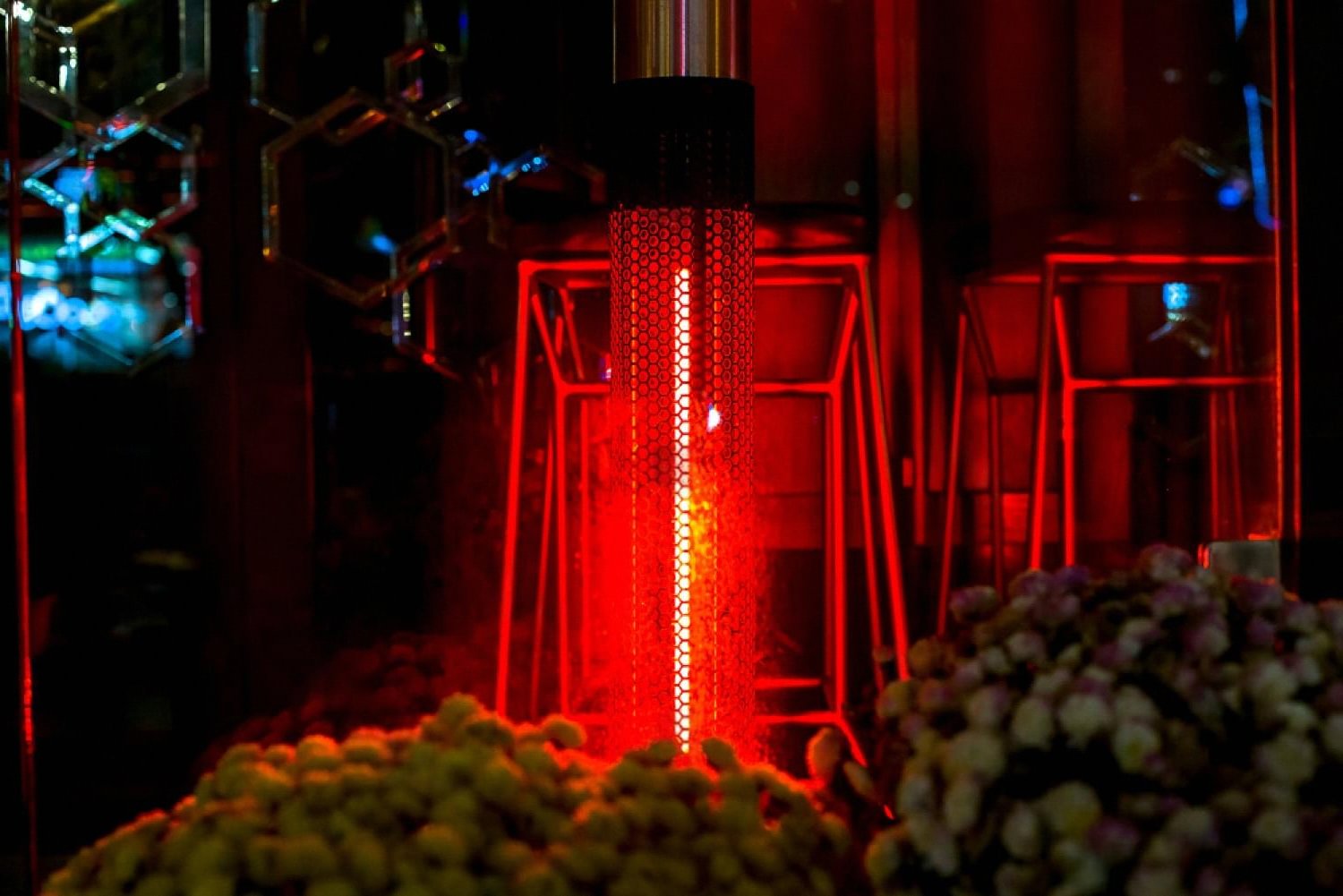
A powerful heater in the wrong spot is a weak heater. Radiant units warm people and surfaces in a direct line, so hiding one behind a partition or aiming it at an empty walkway wastes most of its output. Convection heaters need clear space to circulate air, and blocking them with menus, planters, or stacked pallets creates hot pockets and cold zones in the same room. Outdoors, wind direction changes everything: a heater working perfectly on a still Tuesday can feel useless on a breezy Friday if it was not positioned with prevailing winds in mind.
Walk the space with the supplier before installation. Point out where guests will actually sit, where staff will actually stand, and where doors will open and close. Placement decisions made on a floor plan rarely survive contact with a real service.
Mistake 4: Treating safety and ventilation as afterthoughts
Fuel-burning heaters, whether diesel, LPG, or natural gas, need adequate ventilation to run safely. Using one in a sealed indoor space without proper airflow is a serious carbon monoxide risk, and Dubai Civil Defence has clear rules about which heater types are approved for which environments. Electric heaters avoid the combustion issue but bring their own risks: overloaded sockets, extension leads run across walkways, and units placed too close to fabric or décor.
Ask your supplier for the safety certification of every unit, confirm which type is approved for your specific setting, and make sure staff know how to shut equipment down at the end of a shift. According to the US Centers for Disease Control most carbon monoxide incidents involving heating equipment happen in enclosed spaces with poor ventilation, exactly the conditions a busy restaurant back-of-house can create by accident.
Mistake 5: Ignoring running costs and energy efficiency
The cheapest heater to rent is often not the cheapest to run. Diesel units suit large open spaces where their output justifies fuel costs, but running one to warm a small enclosed office is wasteful. Electric convection heaters are quiet and clean but push up your DEWA bill quickly if used all day. Radiant heaters focused on seated areas are usually more efficient than trying to heat the whole volume of an outdoor terrace.
Match the technology to the pattern of use. A restaurant open five hours a night has different economics from a warehouse running two shifts, and the right choice for one is the wrong choice for the other.
Mistake 6: Skipping maintenance during the rental period
Rented equipment still needs basic care. Filters clog, fuel tanks run low at inconvenient times, and thermostats drift out of calibration. A heater that worked perfectly in week one can be limping by week four if nobody is checking on it. Good rental agreements include service visits, and the operator should have a clear point of contact for issues.
Assign someone on your team to do a quick daily check before opening: is the unit clean, is fuel topped up, are cables and hoses intact, and is the thermostat set correctly for the current conditions? Two minutes each morning prevents a lot of afternoon crises.
Frequently asked questions
Do businesses in Dubai really need heaters in winter?
Yes, many do. While daytime temperatures stay mild, evenings from December through February can drop into the mid-teens in Celsius, and outdoor terraces, warehouses, and event venues feel that shift clearly. Hospitality, retail, events, and logistics operators regularly rent heaters during these months to keep staff and guests comfortable.
What factors decide the right heater size for a space?
Five things: floor area, ceiling height, whether the space is indoor or outdoor, how many people will be inside, and how ventilated the area is. A tall warehouse with roll-up doors needs far more heat than an enclosed office of the same floor area, and any reliable supplier will ask about all five before quoting.
Is it better to buy or rent heating equipment in the UAE?
For most businesses, renting makes more sense. UAE winters are short, so the equipment would sit idle for most of the year if purchased. Renting also shifts maintenance, storage, and compliance to the supplier and lets you match heater type to the specific season or event.
When should we book winter heating rentals?
As early as possible, ideally in October or early November. Demand climbs sharply once evening temperatures drop, and the best units, particularly outdoor radiant heaters and larger indirect-fired industrial models, tend to book out first. Late requests usually mean fewer options and higher rates.
Are gas heaters allowed indoors in the UAE?
Only certain approved types, and only with adequate ventilation. Dubai Civil Defence and other UAE authorities have specific rules about fuel-burning equipment in enclosed spaces. Always confirm with your supplier which heater is certified for your setting, and never improvise with an outdoor-rated unit indoors.
How does heating affect customer behaviour in restaurants?
Comfortable guests stay longer and order more. Cold guests cut their visit short, skip dessert, and are less likely to return. On outdoor terraces during winter evenings, well-placed heating is often the difference between a full section and an empty one.

A person with an impeccable reputation in the world of blogs about IQOS. Traveler, owner of his own business.