Common Summer Skin Problems in Dubai and How Dermatologists Treat Them
“By July in Dubai, skin isn’t just dry or oily anymore. It’s confused. The heat, the sweat, the AC, the sunscreen you forgot to reapply, everything hits at once.”
Summer in the UAE is a stress test for your skin. Outdoor temperatures push past 45°C, humidity near the coast climbs above 80%, and indoor air conditioning strips moisture out of everything, including your face. Add sunscreen residue, sweat, chlorine from pool days, and the odd desert dust storm, and it’s no surprise that clinics get busier from June through September.
The good news: most summer skin issues in Dubai are predictable, and they respond well to treatment when you catch them early. Here’s a plain-language look at the ones dermatologists see most, and what they actually do about them.
The Skin Problems Dubai Sees Most in Summer
You don’t need a medical degree to spot most of these. The pattern is almost always the same: skin that behaved fine in winter starts breaking out, itching, burning, or peeling within a few weeks of the heat setting in.
- Heat rash (miliaria). Tiny itchy bumps in areas where sweat gets trapped: neck, chest, back, inner thighs. Common in kids and in anyone wearing tight synthetic clothing outdoors.
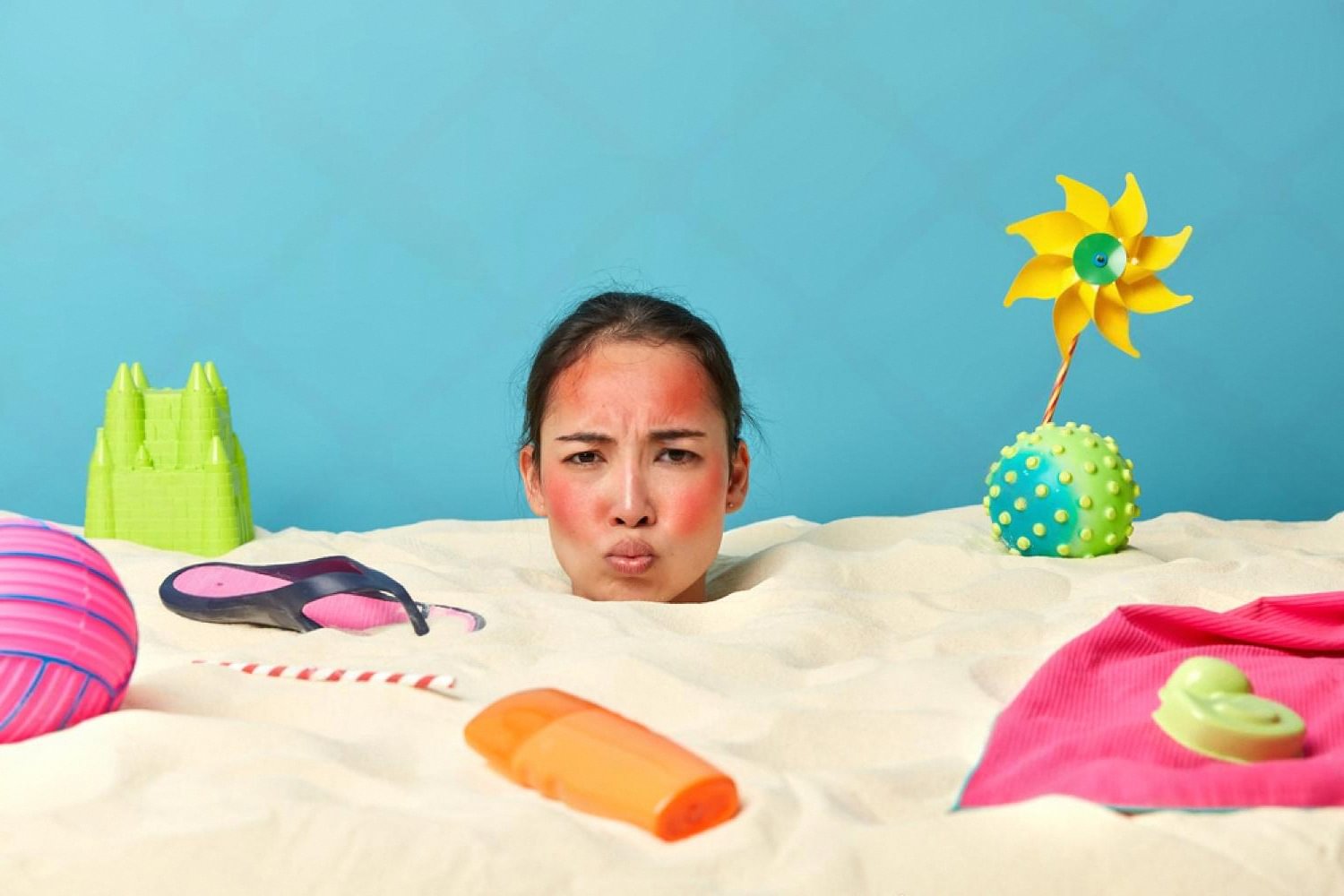
- Sunburn and sun sensitivity. Even a 20-minute walk at noon can cause visible burns on unprotected skin. According to the World Health OrganizationUV exposure is highest between 10 a.m. and 4 p.m., which is basically all daylight hours in Dubai summer.
- Melasma and dark patches. Brown or grey patches on the cheeks, forehead, and upper lip, worsened by both UV and heat. Very common in women, especially after pregnancy.
- Acne flare-ups. Sweat mixed with sunscreen and makeup clogs pores. Even people who normally have clear skin get breakouts along the jawline and forehead.
- Fungal infections. Warm, damp skin folds are perfect for fungus. Think ringworm on the trunk, athlete’s foot, or itchy patches under the arms and in the groin.
- Prickly heat and eczema flare. People with existing eczema often get worse in summer because sweat irritates already sensitive skin.
- Dehydrated, dull skin. Constant switching between hot outdoor air and cold AC leaves skin flaky, tight, and lifeless despite the humidity outside.
How Dermatologists in Dubai Actually Treat These
Most of these conditions don’t need anything fancy, they need the right thing done consistently. A qualified dermatologist in Dubai will usually start with the least aggressive treatment that works, then step up only if needed.
- Heat rash: cool compresses, calamine, and switching to loose cotton clothing. Steroid creams only for stubborn cases.
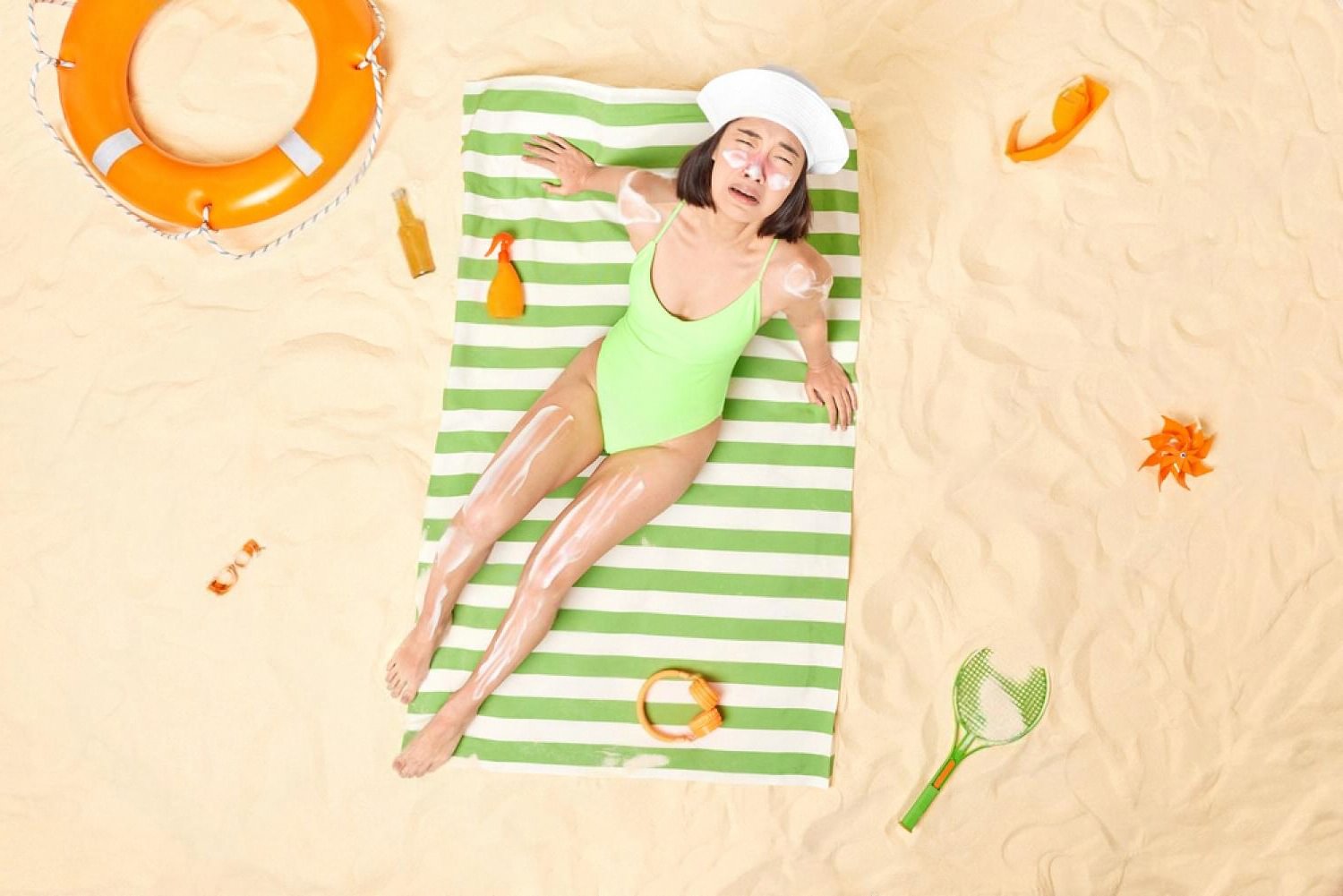
- Sunburn: soothing creams with aloe or panthenol, hydration, and sometimes short-course anti-inflammatory tablets for severe burns. Peeling skin should not be picked.
- Melasma: a mix of strict daily SPF 50+, topical creams (often containing azelaic acid, tranexamic acid, or hydroquinone under supervision), and sometimes gentle chemical peels or laser toning sessions.
- Acne: lightweight, non-comedogenic products, salicylic acid or benzoyl peroxide cleansers, and prescription retinoids or oral medication for moderate cases.
- Fungal infections: antifungal creams for mild cases, oral antifungal tablets for widespread or stubborn ones. Keeping the area dry is half the battle.
- Eczema flares: gentle moisturisers used often, short-term steroid creams during a flare, and identifying triggers like fragranced products or wool.
- Dehydration and dullness: hyaluronic acid serums, ceramide moisturisers, and in-clinic treatments like hydrafacials or mild peels.
Small Habits That Prevent Most Summer Skin Trouble
You don’t need a ten-step routine. You just need to do a few basic things properly, every day, from May to October.
- Apply a broad-spectrum SPF 50+ every morning, and reapply every two to three hours if you’re outdoors.
- Rinse off sweat and sunscreen as soon as you get home, don’t sleep in it.
- Switch to a lighter, gel-based moisturiser instead of thick winter creams.
- Drink water throughout the day, not just when you feel thirsty. The CDC notes that dehydration also makes heat rash worse.
- Wear loose cotton or linen in high heat. Avoid tight polyester in outdoor settings.
- Dry off properly after swimming, especially between toes and in skin folds.
- Don’t share towels, razors, or gym mats, fungal infections spread fast.
- See a dermatologist if a rash, spot, or breakout hasn’t improved in two weeks of home care.
Summer skin problems in Dubai are common, but they aren’t something you have to just live with until October. Most of them clear up quickly with the right advice, the right products, and a bit of consistency. If something on your skin is bothering you, book an appointment early rather than waiting for it to spread or scar. The sooner you start, the shorter the whole story.
Frequently asked questions
Why does my skin break out more in Dubai summer even if I have oily skin?
Heat and humidity make your skin produce even more oil, and that oil mixes with sweat, sunscreen, and dust. The mixture clogs pores faster than in cooler months. Switch to a lightweight gel cleanser twice a day, use non-comedogenic sunscreen, and avoid heavy makeup on hot days.
Is sunscreen really necessary indoors in Dubai?
Yes, if you sit near windows or drive during the day. UVA rays pass through glass and are the main cause of pigmentation and premature ageing. A single morning application of SPF 50 is enough if you stay indoors all day, but you’ll need to reapply if you go outside.
How do I tell heat rash apart from an allergic reaction?
Heat rash usually appears in areas where sweat collects (neck, chest, back) and looks like tiny clear or red bumps. It settles quickly once you cool down. An allergic reaction tends to be more widespread, itchier, and may include hives or swelling. If in doubt, get it checked.
Can lasers make melasma worse in summer?
Yes, if the wrong laser is used or aftercare is poor. Many dermatologists in Dubai prefer to treat melasma with topical creams and gentle peels during peak summer, saving stronger lasers for cooler months. Strict daily sunscreen use is non-negotiable during and after treatment.
How much water should I actually drink in Dubai summer?
Most healthy adults need about 2.5 to 3 litres a day in Dubai summer, more if you’re active outdoors. You can tell you’re drinking enough when your urine is pale yellow. Skin that looks dull and feels tight is often a sign you’re behind on hydration.
When should I stop treating a skin problem at home and see a dermatologist?
Book a visit if a rash or breakout hasn’t improved after two weeks of basic care, if it’s spreading, if it’s painful, or if you see any changes in a mole. Fungal infections in particular tend to get worse, not better, without prescription treatment.
Are children more prone to summer skin problems in the UAE?
Yes. Kids sweat more, spend longer in pools, and often forget to reapply sunscreen. Heat rash, sunburn, and fungal infections between toes are all very common. Keep their skin dry after swimming, dress them in loose cotton, and use a kid-safe SPF 50 mineral sunscreen.

A person with an impeccable reputation in the world of blogs about IQOS. Traveler, owner of his own business.